
Cost of Mount Everest Base Camp Trek in 2026: A Clear, Honest Breakdown
21st Jan, 2026
- 1
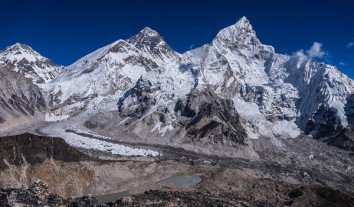
Reaching Everest Base Camp sits high on many travel lists. The trail delivers altitude, culture, and raw Himalayan scale. The cost, though, needs clear planning. Prices in 2026 reflect higher transport and food costs in the Khumbu, while permits stay steady. This guide explains the full spend, line by line, so decisions stay simple.
Table of Contents
How Much Does the Everest Base Camp Trek Cost?
Most trekkers fall into one of three paths. These ranges reflect typical, all-in trekking costs inside Nepal. International flights sit outside these figures.
Trek style and total cost:
Budget, independent: $1,000 to $1,300
Standard, local agency: $1,400 to $1,900
Luxury, helicopter return or boutique lodges: $3,500 to $5,000+
Why the Price Looks the Way It Does in 2026
Above Lukla, every kilo moves by porter, yak, or helicopter. Fuel, rice, gas cylinders, and vegetables travel days to reach teahouses. Food prices rise with altitude. Permit fees do not. Planning around these realities keeps budgets under control.
Pre-Trek Costs: Before the Mountains Begin
International flights to Nepal
Return fares in 2026:
USA: $900 to $1,300
Europe: $700 to $1,100
India: $250 to $450
Flexible dates reduce costs.
Nepal tourist visa
Paid on arrival in Kathmandu:
15 days: $30
30 days: $50
Thirty days suits most itineraries with buffer days.
Trekking insurance
Coverage must include helicopter evacuation to 6,000 meters.
Typical cost: $150 to $250
This protects against high evacuation bills.
Gear and equipment
Kathmandu offers wide rental and purchase options.
Essentials: down jacket, minus 20°C sleeping bag
New gear budget: $300 to $600
Renting large items lowers spend
Fixed Trek Costs
Permits
Required for all trekkers:
Khumbu Pasang Lhamu Municipality permit: about $20
Sagarmatha National Park entry: about $30
Flights to Lukla
Round trip: $430 to $500
During busy months, flights often depart from Ramechhap. Expect a four-hour drive from Kathmandu and early starts.
Daily Trail Costs: Sleep, Food, Water
Accommodation
Standard teahouses: $5 to $15 per night
Rates increase with altitude
Premium lodges at select stops: $150 to $250 per night
Food
Local meals fuel long days best.
Dal Bhat offers refills and steady energy
Daily food budget: $30 to $45
Drinking water
Bottled water prices rise quickly.
Filters or tablets save $50 or more across the trek
Guides and Porters
Value on the trail
Staff add safety, route knowledge, and local income.
Daily rates in 2026
Licensed guide: $30 to $40
Porter: $20 to $25
One porter usually serves two trekkers
Tipping
Common practice:
15 to 20 percent of the staff contract
Shared at trek end
Extra Charges Many Miss
Small fees add up:
Hot showers: $5 to $10
Device charging: $2 to $6
Everest Link Wi-Fi: $10 to $20
Snacks and drinks at high camps: premium prices
Planning a buffer avoids surprises.
Independent Trek or Agency Package
Independent trekking:
Lower base cost
Full control
Higher logistics load
Agency package:
Permits, flights, staff arranged
Safer during delays
Predictable budget
First-time high-altitude trekkers often favor agencies for stability.
Ways to Reduce Costs in 2026
Choose late May or early September
Buy snacks in Kathmandu
Carry a small solar charger
Travel with three or more people
Favor local meals
Final Take
The Everest Base Camp trek demands money, time, and effort. The return comes in quiet mornings, glacier views, and shared trailside moments. Clear budgeting keeps focus where it belongs: steady steps, good health, and the long path toward the highest mountain on Earth.